The Gap Between Curation and Taste
One hundred hours of airtime on a pirate boat, and a BBC DJ who knew the difference

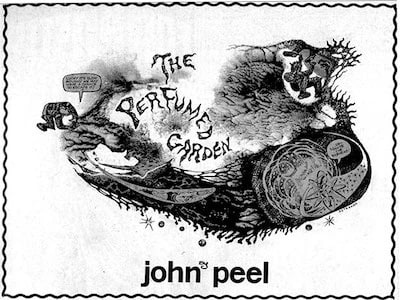
In 1967 a late-night pirate radio program ran from a tiny boat moored in the North Sea, three and a half miles off the coast of England. Broadcast from midnight to 2am, The Perfumed Garden was odd even by the standards of its host, Radio London, a pirate station that played rock n' roll songs so unpalatable and indecent to the British government that they broadcast it from international waters until the government finally managed to outlaw it with the Marine, &c., Broadcasting (Offences) Act in 1967.
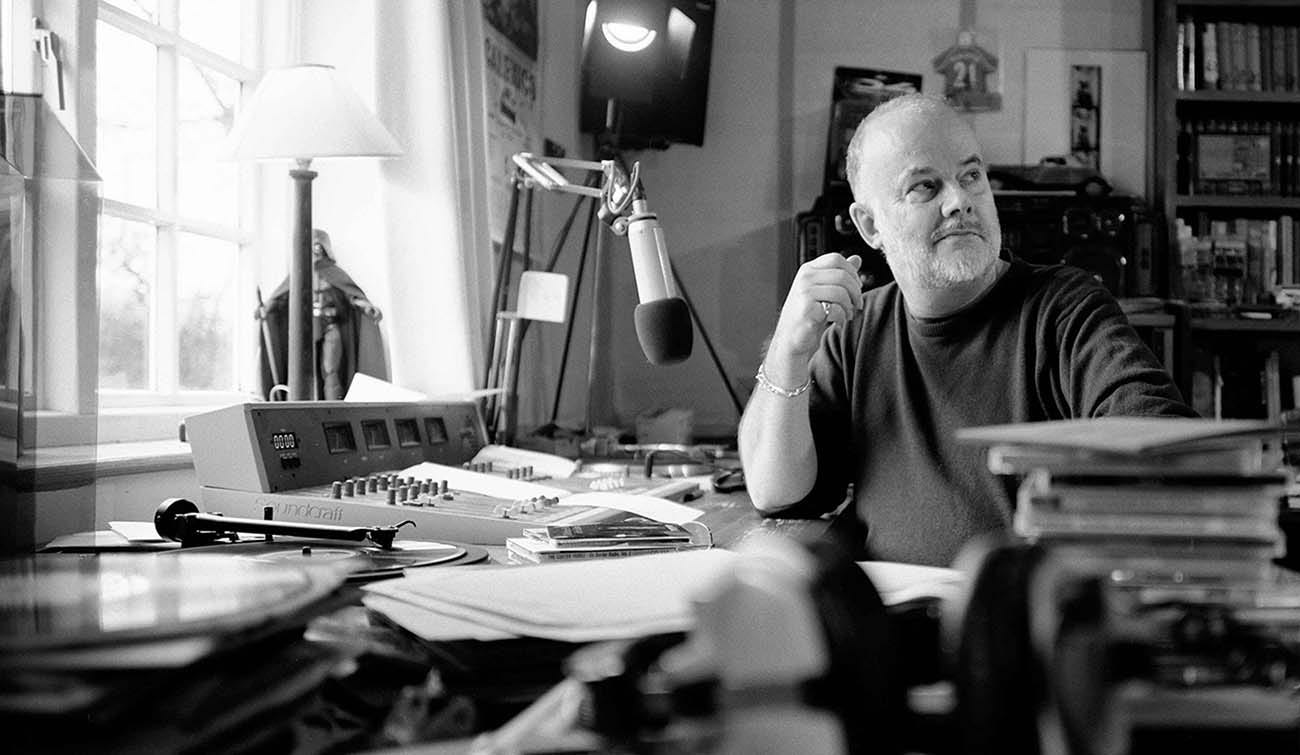
Famously, its host John Peel could play what he wanted because his managing director was asleep. He played full albums by groups his listeners had never heard, ignoring the scheduled ads, news, and weather to play uninterrupted music from the likes of Marc Bolan (T.Rex), The Velvet Underground, Captain Beefheart, Donovan, and Pink Floyd. Between songs, Peel recited poetry, talked about letters from listeners, discussed Tolkien, and read extracts from Winnie-the-Pooh. Radio London producers objected to his approach until they saw the ratings.
The program drew enough press that even Brian Epstein, manager of the Beatles, congratulated Radio London for airing it. And while Radio London's daytime Top 40 programmes had larger audiences, Perfumed Garden's listeners wrote more letters.
Robert Chapman, writing about pirate radio in Selling the Sixties:
John Peel's Perfumed Garden has acquired a legendary aura out of all proportion to the brevity of its existence. The show which is rightly credited with having introduced the British radio audience to the underground had a life span of approximately three months. [...] Its colossal legacy therefore derives from little more than 100 hours of airtime, but it was the innovative way in which this airtime was utilized which made the programme such an influential force.
One hundred hours.
That number matters because it reframes what Peel actually did. He didn't build an empire. He ran a show, alone, in the middle of the night, and played exactly what he thought was worth hearing.
Radio London was rebellion. It defined itself against the BBC's monopoly, against the stiff playlists, against the idea that a government bureau should decide what music people could listen to.
Peel was something else. Even among the pirates, he was odd. Radio London's daytime DJs played the hits. Peel played Captain Beefheart. They followed the schedule. He ignored it. They were breaking rules. He wasn't thinking about rules at all.
That tension between Peel and his employers followed him for most of his life. It's what made him one of the most consequential radio DJs who ever lived — he helped break T.Rex, Bowie, The Undertones, and others not by playing what he was told to, but by playing what he wanted to.
When the BBC launched Radio 1 in 1967, they needed people who actually knew what they were doing. Peel's show had run for three months on a boat, but his audience was dedicated and loyal. His ear was so specific, his sensibility so clearly his own, that the institution he'd been pirating against came looking for him.
He stayed at Radio 1 for thirty-seven years. And then disowned the era that got him there — dismissed The Perfumed Garden as hippie naivety, even though it was the thing that made everything else possible. Paul Gambaccini called him "the most important single person in popular music from approximately 1967 through 1978. He broke more important artists than any individual."
That's taste, too. The willingness to move past your own mythology.
Taste is rare because it requires you to know what you actually think. Not what you're against, not what's trending, not what the audience expects — what you think is good. And then to hold that position when it's inconvenient, when it doesn't get traction, when the managing director is awake and watching.
Peel read Winnie-the-Pooh between Velvet Underground tracks. It sounds ridiculous because it is. The man knew exactly what he wanted his show to be, and had the freedom and playground (midnight slot) to do it.
Most of what gets called taste is really just curation — selecting from what's already been validated. Peel wasn't curating. He was surfacing things that hadn't been validated yet, putting his own credibility on the line each time he cued up a record nobody recognized. His ratings were a consequence, not a goal.
Machines can curate. That part is solved. An algorithm can scan everything ever recorded, cross-reference it against listening patterns, and surface a playlist that feels personal. It does this at a scale and speed that would make Radio London's playlist look quaint. But curation is selection from the known. Taste is a wager on the unknown — putting something forward that hasn't been validated, that no dataset supports, and saying this matters with nothing behind it except your own ear.
That's the gap. Not between human and machine, but between recognition and conviction. The machine can tell you what sounds like the things you already like. It cannot tell you what's worth hearing that nobody has heard yet. It cannot read Winnie-the-Pooh between Velvet Underground tracks and understand why that belongs.
The Perfumed Garden ended on August 14, 1967, when the Marine Offences Act took effect. Peel played the last song — "A Day in the Life" — and read out listeners' letters until the signal cut.
One hundred hours of airtime. Three months on a boat.
Not because he rebelled. Because he knew what was worth hearing, and he didn't wait for permission to say so.